
What the latest research says about optimal rest periods for strength, hypertrophy, and endurance, and why most people get it wrong
How many times have you seen someone in the gym lift a heavy set, then wait only 30 seconds before the next one? Or sit for 5 minutes scrolling their phone after each set of bicep curls? Rest between sets seems simple, but most people get it completely wrong.
The truth is that the right rest period between sets depends on your training goal. And new research in 2026 from leading sports science universities shows that resting too short or too long leaves a lot of results on the table.
This guide explains what the research actually says, how long you should wait for strength, hypertrophy, and endurance training, and why the timing of your rest matters as much as the weights you lift.
When you lift a heavy set, your muscles deplete quick energy stores called ATP and phosphocreatine. Metabolic byproducts like lactate and hydrogen also accumulate, causing fatigue. Rest between sets allows your body to refill energy and clear some of these metabolic byproducts.
The amount of rest changes the type of adaptation you get. Longer rest means more energy recovery and higher performance in the next set, which matters for strength. Shorter rest means more metabolic stress and blood flow, which may be useful for hypertrophy or muscular endurance depending on how you use it.
That is why saying one minute for everything is bad advice. The goal of the session, the load, and the exercise all determine how much rest you need.
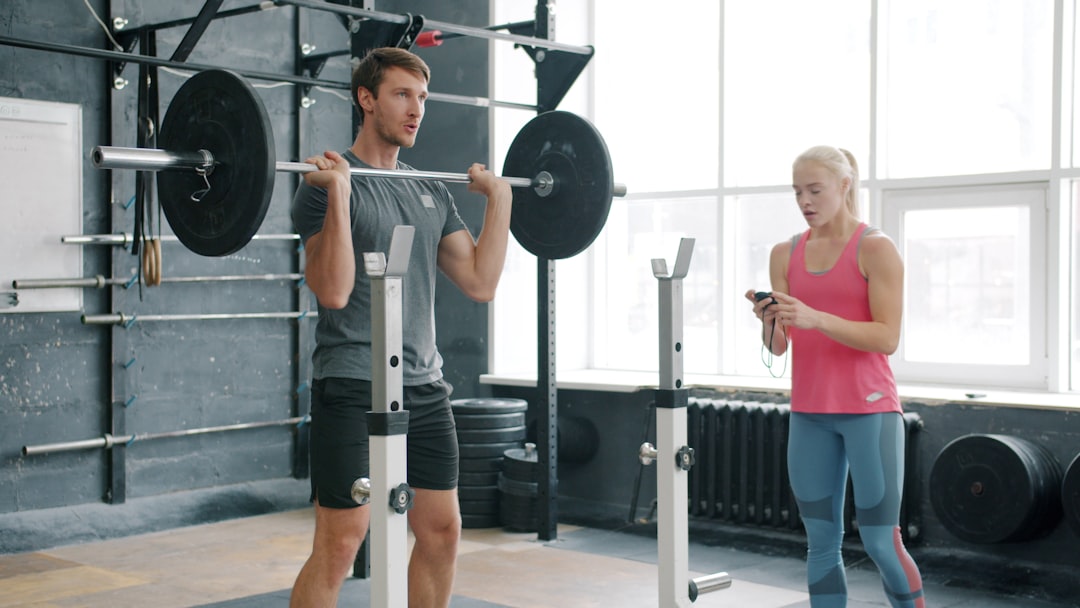
If your goal is to lift heavier weights and get stronger, research from sports science institutes in 2026 shows you need 3 to 5 minutes of rest between heavy sets. Why? Because the energy systems that power heavy lifts (ATP phosphocreatine) need 3 to 5 minutes to fully recover.
A large study compared 1 minute rest versus 3 minutes rest for major strength exercises like squats and bench press. The group that rested 3 minutes lifted 8 to 12 percent more weight and achieved 15 percent higher total training volume across all sets. Longer rest means higher quality sets and faster strength gains over time.
For heavy major exercises (under 6 reps), do not be afraid to rest 4 to 5 minutes. For accessory exercises with moderate loads (6 to 10 reps), 2 to 3 minutes is enough. The goal is to enter every new set able to perform at your best, not exhausted.
When your primary goal is building muscle, rest periods can be slightly shorter than pure strength training, but not as short as most people think. A major systematic review in 2026 from European sports science universities analyzed over 50 studies on rest and hypertrophy.
The main finding: for major compound exercises (squat, deadlift, bench, rows), 2 to 3 minutes of rest produced better muscle growth than 1 minute of rest. The reason is that longer rest allowed people to achieve higher total training volume (more sets and reps at useful loads) before reaching failure.
For smaller isolation exercises (biceps, lateral shoulder, hamstrings), 90 seconds to 2 minutes of rest is enough because the central and metabolic fatigue is lower. The key is to rest enough that you maintain the intensity and volume of your sets across all sets.
Common mistake: resting only 30 to 45 seconds for the pump. Yes, you feel a good pump, but you sacrifice load and training volume, which is the stronger driver of growth. Slightly longer rest means higher quality sets and better results over time.
If your goal is to build muscular endurance (the ability to do high reps without tiring quickly), short rest periods make sense. 30 to 60 seconds forces your body to adapt to working at lower energy levels and clearing metabolic waste faster.
This type of training is useful for endurance sports, functional circuits, or if you are preparing for a race like HYROX. But for building strength or muscle, longer rest is better.
The biggest mistake I see in the gym is using one rest period for everything. Someone lifts a heavy squat set, waits 60 seconds, then fails the next set because they did not recover energy. Or they lift a light bicep set, sit for 4 minutes, then wonder why the workout takes 2 hours.
Match your rest to your goal and the exercise. Heavy squat for strength? 3 to 5 minutes. Medium bench press for hypertrophy? 2 to 3 minutes. Lateral shoulder isolation? 90 seconds. Functional circuit? 45 seconds. Each one has its place.
In training over 500 clients across the years, I have seen huge changes when people start taking enough rest on major exercises. Especially busy people in Dubai who want to finish the workout quickly, they rush through sets without enough rest and do not see the results they deserve.
The truth is that a workout that takes 50 minutes with correct rest beats a 35 minute workout with half strength sets. Quality beats speed every time. I personally use a timer on my watch: 3 minutes for squats and deadlifts, 2 minutes for accessory exercises, 90 seconds for isolation. Simple, effective, and evidence based.
Rest periods between sets are not wasted time, they are part of the workout. The right rest allows you to maintain your training intensity and volume, which is what drives strength and hypertrophy over time.
If you are not using a timer, start today. Match your rest to your goal and the exercise. 3 to 5 minutes for strength, 2 to 3 minutes for hypertrophy, 30 to 60 seconds for endurance. This simple change can unlock progress you were leaving on the table.
Get science backed personal training and nutrition tailored to your goals, in Dubai or online via the Hustle Nation app
Start Your Journey%20scale(0.92)'%3e%3cpath%20d='M%2046%2010%20A%2040%2040%200%200%200%2046%2090%20L%2046%2078%20A%209.5%209.5%200%200%201%2030.2%2069.8%20A%2011%2011%200%200%201%2022%2050%20A%2011%2011%200%200%201%2030.2%2030.2%20A%209.5%209.5%200%200%201%2046%2022%20Z'%20fill='%23e85d1f'/%3e%3cg%20fill='none'%20stroke='%23e85d1f'%20stroke-linecap='butt'%3e%3cpath%20d='M%2046%2038%20A%2012%2012%200%200%200%2046%2062'%20stroke-width='10'/%3e%3cpath%20d='M%2046%2050%20H%2056'%20stroke-width='10'/%3e%3c/g%3e%3cg%20fill='%23e85d1f'%3e%3crect%20x='56'%20y='16'%20width='12'%20height='68'/%3e%3crect%20x='74'%20y='28'%20width='10'%20height='44'/%3e%3crect%20x='90'%20y='40'%20width='8'%20height='20'/%3e%3c/g%3e%3c/g%3e%3cg%20fill='%23f7f4ef'%3e%3cpath%20d='M259.64,507.88h14.26v26.01h23.73v-26.01h14.26v64.25h-14.26v-26.01h-23.73v26.01h-14.26v-64.25Z'/%3e%3cpath%20d='M321.6,507.88h14.27v46.33c0,3.14,2.55,5.68,5.69,5.69h12.35c3.14,0,5.68-2.55,5.69-5.69v-46.33h14.27v47.41c-.03,9.29-7.55,16.81-16.84,16.84h-18.59c-9.29-.03-16.81-7.55-16.84-16.84v-47.41Z'/%3e%3cpath%20d='M399.04,507.88h42.49v12.23h-41.77c-2.08,0-3.77,1.69-3.77,3.77v6.08l27.82,6.38c5.98,1.32,10.22,6.65,10.18,12.78v5.7c-.03,9.55-7.76,17.29-17.32,17.32h-34.95v-12.23h34.23c2.08,0,3.77-1.69,3.77-3.77v-6.09l-27.77-6.37c-5.98-1.33-10.22-6.65-10.18-12.78v-.78c-.03-.44-.05-.87-.05-1.32v-3.6c.03-9.55,7.76-17.29,17.32-17.32Z'/%3e%3cpath%20d='M489.97,507.88v12.23h-19v52.02h-14.26v-52.02h-19v-12.23h52.26Z'/%3e%3cpath%20d='M521.03,572.13h-8.81c-9.55-.03-17.29-7.76-17.32-17.32v-46.93h14.26v48.25c0,2.08,1.69,3.77,3.77,3.77h34.23v12.23h-26.13Z'/%3e%3cpath%20d='M551.62,525.19c.03-9.55,7.76-17.29,17.32-17.32h34.95v12.23h-34.23c-2.08,0-3.77,1.69-3.77,3.77v32.25c0,2.08,1.69,3.77,3.77,3.77h34.23v12.23h-34.95c-9.55-.03-17.29-7.76-17.32-17.32v-29.61h0ZM593.83,533.89v12.23h-30.86v-12.23h30.86Z'/%3e%3c/g%3e%3cg%20fill='%23e85d1f'%3e%3cpath%20d='M608.34,507.88h17.23l20.77,42.48v-42.48h14.27v64.25h-17.23l-20.77-42.48v42.48h-14.26v-64.25Z'/%3e%3cpath%20d='M709.53,513.95l20.87,58.17h-15.16l-17.1-47.66-17.1,47.66h-15.15l20.87-58.17c1.27-3.67,4.75-6.12,8.63-6.08h5.5c3.89-.04,7.36,2.41,8.64,6.08Z'/%3e%3cpath%20d='M775.25,507.88v12.23h-19v52.02h-14.26v-52.02h-19v-12.23h52.26Z'/%3e%3cpath%20d='M780.72,572.13v-64.25h14.26v64.25h-14.26Z'/%3e%3cpath%20d='M856.39,525.19v29.61c-.03,9.55-7.76,17.29-17.32,17.32h-17.63c-9.55-.03-17.29-7.76-17.32-17.32v-29.61c.03-9.55,7.76-17.29,17.32-17.32h17.63c9.55.03,17.29,7.76,17.32,17.32ZM838.36,559.9c2.08,0,3.77-1.69,3.77-3.77v-32.25c0-2.08-1.69-3.77-3.77-3.77h-16.19c-2.08,0-3.77,1.69-3.77,3.77v32.25c0,2.08,1.69,3.77,3.77,3.77h16.19Z'/%3e%3cpath%20d='M865.54,507.88h17.23l20.77,42.48v-42.48h14.27v64.25h-17.23l-20.77-42.48v42.48h-14.26v-64.25Z'/%3e%3c/g%3e%3cpolygon%20fill='%23f7f4ef'%20points='703.28%20559.9%20707.67%20572.13%20688.63%20572.13%20693.01%20559.9%20703.28%20559.9'/%3e%3c/svg%3e)